On this page
Two people with the same insurance card can pay wildly different prices for the same prescription. The reason is the formulary: your plan’s list of covered drugs, organized into tiers. The tier your drug sits on decides your copay before you ever reach the pharmacy counter. Understanding how tiers work, and how to move a drug to a cheaper one, is one of the highest-value skills in managing health insurance costs.
What a formulary is
A formulary is the list of prescription drugs your plan covers. Every plan has one, and no two are identical. Formularies exist because plans negotiate prices with drug manufacturers, and the drugs the plan got the best deal on get the best placement. Your doctor prescribes based on medicine. Your plan pays based on contracts. The formulary is where those two things collide.
Plans can change their formularies during the year, though they must give notice and usually must continue covering drugs you are already taking through the end of the plan year. Always check the formulary when you switch plans, even if your drugs have not changed. A drug that was tier 1 last year can be tier 3 this year.
The typical tier structure
Most plans use four or five tiers, though the exact names vary.
Tier 1 is generic drugs. These are the cheapest, often with copays under $15 or even $0 on some plans. If a generic version of your drug exists, it will almost always be tier 1.
Tier 2 is preferred brand-name drugs. These are brand drugs the plan negotiated good prices on. Copays are moderate, often in the $30 to $60 range.
Tier 3 is non-preferred brand-name drugs. Same kinds of drugs as tier 2, but without the negotiated deal. Copays jump, often to $75 or more, or a percentage coinsurance.
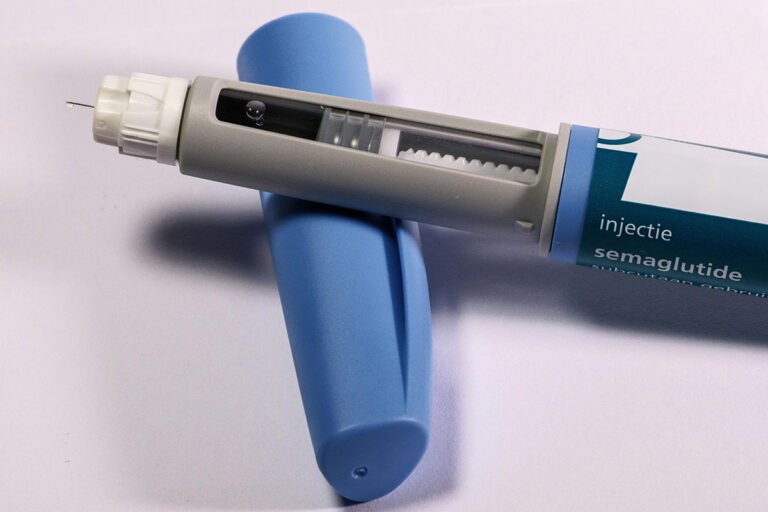
Tier 4 and tier 5 are specialty drugs. These are expensive medications for complex conditions: biologics, cancer drugs, specialty injectables. Cost-sharing here is usually a coinsurance percentage rather than a flat copay, often 25 to 33 percent of the drug’s price. A drug that costs $5,000 a month means $1,250 or more out of your pocket each month at 25 percent coinsurance.
Some plans also have a specialty tier with its own rules, including requirements to use a specific specialty pharmacy rather than your corner drugstore.
Utilization management: the gates between you and the drug
Tiers set the price. Utilization management decides whether you get the drug at all. Three tools show up constantly.
Prior authorization requires your doctor to get the plan’s approval before the prescription is filled. It is common for expensive brand and specialty drugs. The plan wants to confirm the drug is medically necessary and that cheaper alternatives were considered.
Step therapy requires you to try a cheaper drug first and show it did not work before the plan covers the more expensive one. Your doctor can request an exception, but the default path runs through the cheaper option.
Quantity limits cap how much of a drug you can get per fill or per month. These are usually based on the manufacturer’s recommended dosing, but they can conflict with how your doctor actually prescribed it.
How to pay less: the practical moves
Ask about the generic every time. If a generic exists and your doctor is comfortable with it, it will be tier 1 and dramatically cheaper. For many common drugs, the generic is chemically identical to the brand.
Ask your doctor to prescribe from the formulary. Doctors do not memorize your plan’s drug list. Bring it to the appointment or look it up together. Switching from a tier 3 drug to a therapeutically similar tier 2 drug can cut your copay by two-thirds with one conversation.
File a tier exception. If the cheaper alternatives do not work for you medically, your doctor can request that the plan cover your drug at a lower tier’s cost-sharing. Plans must have an exceptions process, and approvals are common when the medical case is documented.
Use the plan’s preferred pharmacy. Many plans have preferred pharmacy networks with lower copays, and mail-order pharmacies often give you a 90-day supply for the price of two months. For maintenance drugs you take long term, mail order is usually the cheapest option.
Check manufacturer coupons and assistance programs, but know the catch. Coupons can cut your out-of-pocket cost at the counter, but many plans do not count coupon payments toward your deductible or out-of-pocket maximum. Patient assistance programs from manufacturers can provide expensive drugs free or cheap to people who qualify by income.
Medicare Part D works the same way, with its own wrinkles
Medicare drug plans use the same tier and formulary system. One difference: Part D plans cannot exclude entire classes of drugs the way some commercial plans try to. Another: the late enrollment penalty. If you go without creditable drug coverage for 63 or more days after becoming eligible, a permanent surcharge gets added to your Part D premium. Enroll when you are first eligible, even if you take no prescriptions, because the cheapest Part D plan is far less expensive than years of penalties.
Drug coverage is also the piece people forget when comparing Medicare options. A Medicare Advantage plan with a weak formulary can cost you more in drug spending than you save on premiums. Check the formulary before you enroll, the same way you would with any commercial plan. Our Medicare parts guide covers how Part D fits into the bigger picture.
When open enrollment comes around
Do not auto-renew your plan without checking the new formulary. Plans change tier placements every year, and the drug that cost you $10 a month last year can cost $80 this year under the same plan name. Pull up the new year’s formulary, search your drugs, note the tiers and any new prior authorization requirements, and compare against one or two competing plans. Fifteen minutes of formulary checking beats twelve months of overpaying. Pair it with a look at whether an HSA or FSA could cover your drug spending with pre-tax dollars.